Category: Uncategorized

  • How to Easily Choose the Right Size Bathroom Remodel

    How to Easily Choose the Right Size Bathroom Remodel

    When it comes to a bathroom remodel, one of the first and most important decisions you’ll face is project size. The answer depends on a variety of factors. This includes your budget, your goals, and the current condition of your space.

    Let’s walk through the key considerations to help you decide whether a large or small remodel is right for you. Are you dreaming of a complete transformation or just to refresh a few elements? We’ll help you choose a path that fits your needs and delivers lasting value.
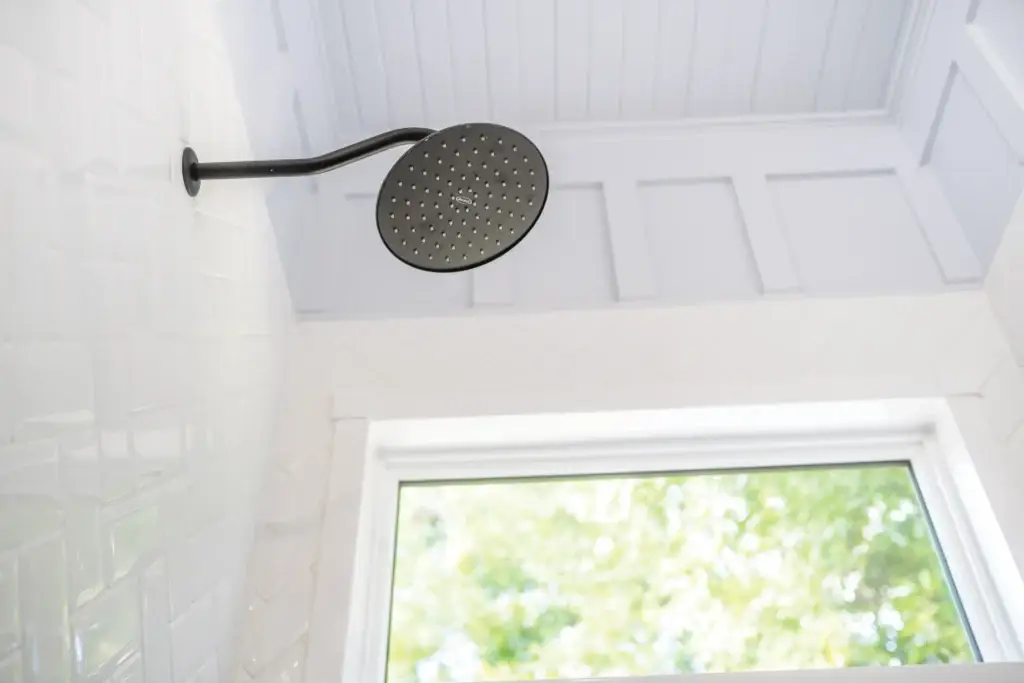
    White shower with shower head and window in background

    Benefits of a Large Bathroom Remodel

    There are obvious circumstances when a large remodel makes the most sense for your bathroom, such as when you’re making a significant number of improvements or it’s no longer functional for your needs. But here are some of the other benefits of large bathroom remodels:

    • It potentially increases the value of your property.
    • You have more control about customizing the look and feel.
    • Hidden structural issues can be addressed.
    • You can better optimize the function and flow of the space.

    Benefits of a Small Bathroom Remodel

    Then again, there are equally as many bathroom remodels that serve their purposes with a smaller scope (e.g., downsizing, converting one element like the bathtub, etc.). Here are some of the benefits of small bathroom remodels:

    • They’re quicker than large bathroom remodels.
    • They tend to cost less than big jobs.
    • You can focus on the specific upgrades, looks or functions you want.
    • It reduces waste and keeps the project more environmentally friendly.

    Choosing the Right Project Size for You

    At the end of the day, going large or small with your bathroom remodel is most often dictated by your budget and how much of a change you want to make. But other factors like the size of the space, scope of changes, desired timeline, personal style and needed function can all give you priorities on different directions to take. Your best bet might be consulting with a home improvement professional before making a decision.

    After all, the decision to go for a larger or smaller project ultimately depends on you and your specific circumstances. If you’re considering a bathroom remodel, contact Expo Home Improvement today at 469-727-0302
    and we’ll be happy to answer your questions or provide a no-obligation estimate.
     

  • Small Bathroom? Here’s 5 Simple Ways to Transform It

    Small Bathroom? Here’s 5 Simple Ways to Transform It

    Remodeling is a lot like Goldilocks and the Three Bears. Some spaces are too big. Others are too small. Then there are those that are “”just right.”” The good news is that if your space isn’t in that sweet spot, you can still be creative and achieve a remodel you’ll love.

    Small bathrooms, for example, can still feel like a relaxing retreat. Here are some ideas for remodeling your bathroom when you have limited space.

    1. Remove the Bathtub

    Both a bathtub and a shower in a small space can make it cramped in a hurry. If that’s the case for you, decide first whether a bathtub even makes sense for your situation. Do you use it? Do you have small children or babies? Could you utilize the space your bathtub occupies? Whether you get a shower conversion (more on that in a bit) or simply remove the bathtub, this is one way to maximize your space.

    2. Replace the Bathtub

    The type of bathtub could also contribute to the lack of space. A jacuzzi tub or standalone bathtub, for example, will often take up more space than a traditional bath or bathtub-shower combination. By replacing your oversized bathtub with a slimmer model, you can potential gain a few extra square feet in your bathroom for other use.

    3. Convert the Shower

    If you have a bathtub and shower, why not combine them? You have several conversion options when it comes to your shower, such as a tub-to-shower conversion. A barrier-free shower can also make your space appear bigger than it really is and there are multiple versions of these (e.g., walk-in showers, roll-in showers, etc.). Custom showers are yet another option you can consider for your small bathroom.

    4. Consider Alternative Storage Solutions

    If your bathroom remodeling design doesn’t involve the bathtub or shower, its storage options are another factor. Do you have bulky furniture or sinks taking up unnecessary space? From over-the-toilet cabinets to smaller vanities, there are alternative storage solutions for bathrooms that still meet your needs but take up less space.

    5. Consult with a Pro

    Consulting with bathroom remodeling contractors and companies like Expo Home Improvement is another great idea for your bathroom remodel. Professional installers and designers can give you different routes to take and make recommendations based on your specific space and budget. No matter the size of your bathroom, consulting with a pro is a wise consideration.

    These are just a few bathroom remodeling ideas to consider. If you’d like additional help with your plan or design, contact Expo Home Improvement today for a no-obligation quote or consultation.

  • How to Know If Your Windows Need to Be Replaced

    How to Know If Your Windows Need to Be Replaced

    If the windows in your home are letting in drafts, not operating properly, or just look outdated, you might be considering investing in replacement windows. But, are replacement windows worth it? The quick answer to this question is that yes, they are definitely worth it. They provide a number of lasting benefits that you’ll be able to enjoy for years to come, including:

    • Your have a high energy bill from your AC trying to keep up. Replacement windows come with improved energy-efficiency – When you replace old windows with high-quality replacement windows, there is no doubt that you will enhance your home’s energy efficiency. That’s because newer windows come with numerous energy-efficient features such as multiple panes of glass, foam-filled frames, Low-E glass, and more that are all designed to reduce heat transfer and could possibly help to lower monthly energy bills.
    • You don’t like how your house looks from the outside. With upgraded windows, you’ll enjoy enhanced curb appeal – Replacement windows will instantly boost the look of your home and if you are planning on selling your home any time soon, they will allow you to ask for a higher price.
    • A more enjoyable home environment – Adding replacement windows to your home will make your home more enjoyable to be in. They will flood your home with natural light, allow your home to remain at a constant temperature, and even reduce the amount of outside noise entering your home.

    Choose a Reliable Company

    Once you’ve made the decision to have replacement windows installed, one of the most important things you can do is to choose a reputable company to install them. That’s because a poorly installed window will nullify many of its benefits, leaving you right where you left off, if not worse. When you’re searching for a company you can trust to install windows on your home, look for a company that has:

    • Experience – It’s always a better idea to go with a company that has a proven track record of success. Newly formed companies can be hard to trust because they haven’t had the opportunity to earn a good reputation. When you’re looking at different companies, choose one that’s been around for a while and has earned positive reviews from their past customers.
    • Full-time employees – When choosing a company, make sure to ask whether their employees are their own, or if they use subcontractors. This is important because a company that uses full-time employees will make sure that they’re all trained the same way, and will have likely undergone background checks, making them much more trustworthy compared to a subcontractor who may not have had any formal training at all.
    • Caring customer service – Replacing the windows in your home is a big deal, and you’ll want to have your say in the project. Look for a company who will listen to your needs and who will work collaboratively with you to achieve them all. If the company you’re looking to work with is pushing a product on you that you don’t want and isn’t taking your opinion into consideration, look for another company.

    For all your window replacement needs, there’s no better company to turn to than Expo Home Improvement. We’ve been helping homeowners throughout Texas by replacing their old and inefficient windows with beautiful new energy-efficient ones and we look forward to doing the same for you. Contact us today to schedule a free, no-obligation consultation.

  • How To Avoid These Six Window Replacement Mistakes

    How To Avoid These Six Window Replacement Mistakes

    We can all learn from others’ mistakes; we don’t have to make them ourselves. For example, many people have caused all sorts of accidents by texting and driving. The rest of us should do everything we can to avoid this unsafe practice as a result. When it comes to window replacements, there are also mistakes you’ll want to avoid (whether you attempt them yourself or go with the more preferred route of hiring a professional window replacement company). Let’s go over six of them.

    1. Neglecting Energy Efficiency

    One of the primary reasons for window replacement is to improve energy efficiency. However, overlooking this crucial factor can lead to disappointing results. When selecting new windows, prioritize those with high energy efficiency ratings, such as ENERGY STAR®-certified options. Look for features like double or triple glazing, low-emissivity (low-E) coatings, and gas fills that enhance insulation and reduce heat transfer. By investing in energy-efficient windows, you can lower your energy bills, increase comfort and contribute to a more sustainable home.

    2. Incorrect Window Measurements

    Accurate window measurements are essential for a proper fit and seamless installation. Failing to measure your windows correctly is a common mistake that can result in ill-fitting replacements. It’s crucial to measure the width, height and depth of the window openings precisely. Otherwise, you can wind up with windows that won’t fit or seal correctly. Take multiple measurements and consult the manufacturer’s guidelines for specific requirements. If you’re unsure, consider hiring a professional to measure and install the windows to ensure a precise fit and avoid costly refitting.

    3. Choosing the Wrong Window Style

    Choosing the right window style is vital to complement your Texas home’s architecture, functionality, and personal preferences. Selecting the wrong style can impact the overall aesthetics and practicality of your living space. Before making a decision, thoroughly research different window styles and their features, such as casement, double-hung, or awning windows. Consider factors like ventilation needs, maintenance requirements, and the amount of natural light desired.

    4. DIY Installation of Window Replacement without Proper Knowledge

    While DIY projects can be rewarding, window replacement is a complex task that requires specific skills and knowledge. Attempting a DIY installation without prior experience can lead to errors, compromised performance and safety hazards. Improper installation can result in air and water leaks, reduced energy efficiency, and even structural damage. Therefore, it’s advisable to hire professional window installers who are experienced and trained in proper installation techniques. They have the expertise to handle the job efficiently, ensuring a secure and flawless window replacement.

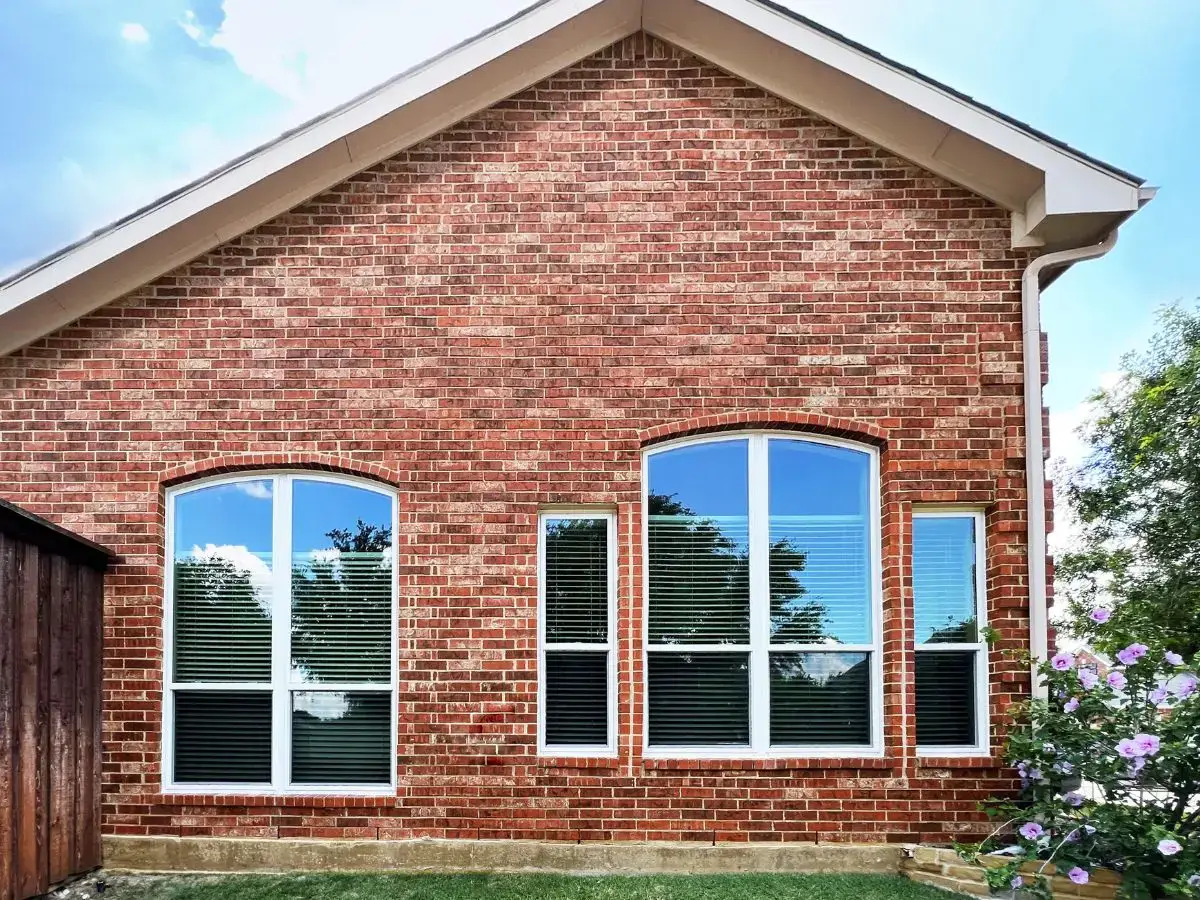
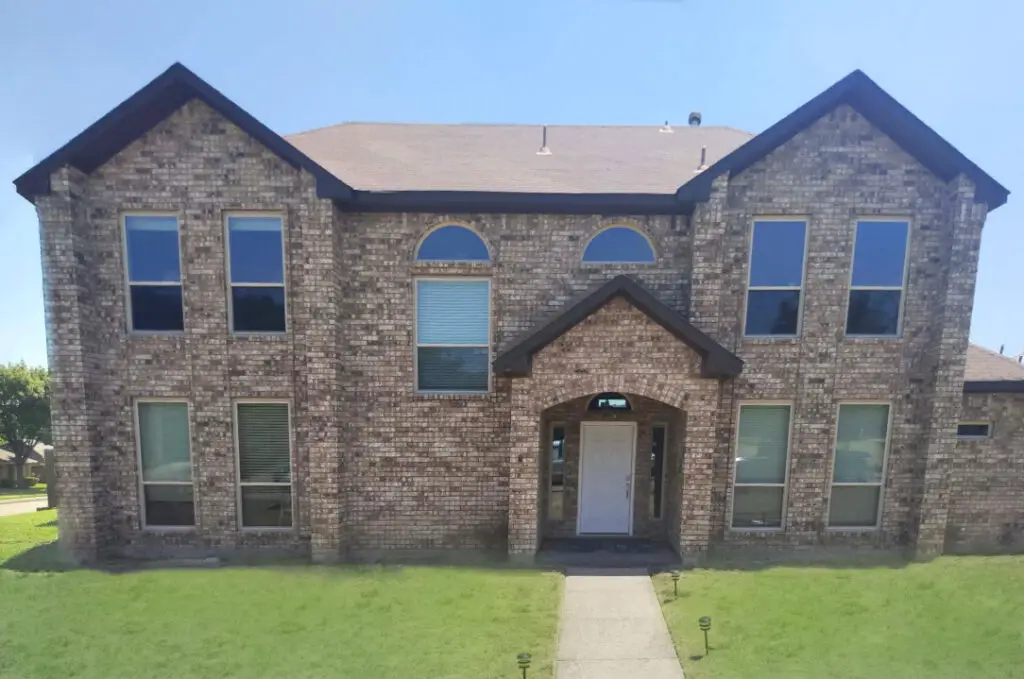
    A two story brick house that has had window replacement

    5. Overlooking Local Building Codes

    Window replacement projects must comply with local building codes and regulations. Neglecting to obtain necessary permits or failing to adhere to building codes can result in legal issues, fines or difficulties during future home inspections. Research and familiarize yourself with the local building codes related to window replacement in your area. Ensure that your chosen windows meet safety and egress requirements, especially for bedrooms and basement spaces.

    6. Sacrificing Quality of Window Replacement for Cost

    While it’s tempting to prioritize cost savings, compromising on window quality can be a costly mistake in the long run. Low-quality windows may have shorter lifespans, reduced energy efficiency and inferior performance. It’s worth investing in high-quality windows from reputable manufacturers that offer warranties and proven track records. Quality windows provide better insulation, durability and enhanced value for your home. Consider the long-term benefits and weigh them against the initial cost to make an informed decision.

    Window replacement is a significant home improvement project that requires careful planning and decision-making to avoid mistakes. To consult with Expo Home Improvement about your windows, contact us today at (469) 727-0302.

  • 7 Popular Front Door Colors (and Their Benefits)

    7 Popular Front Door Colors (and Their Benefits)

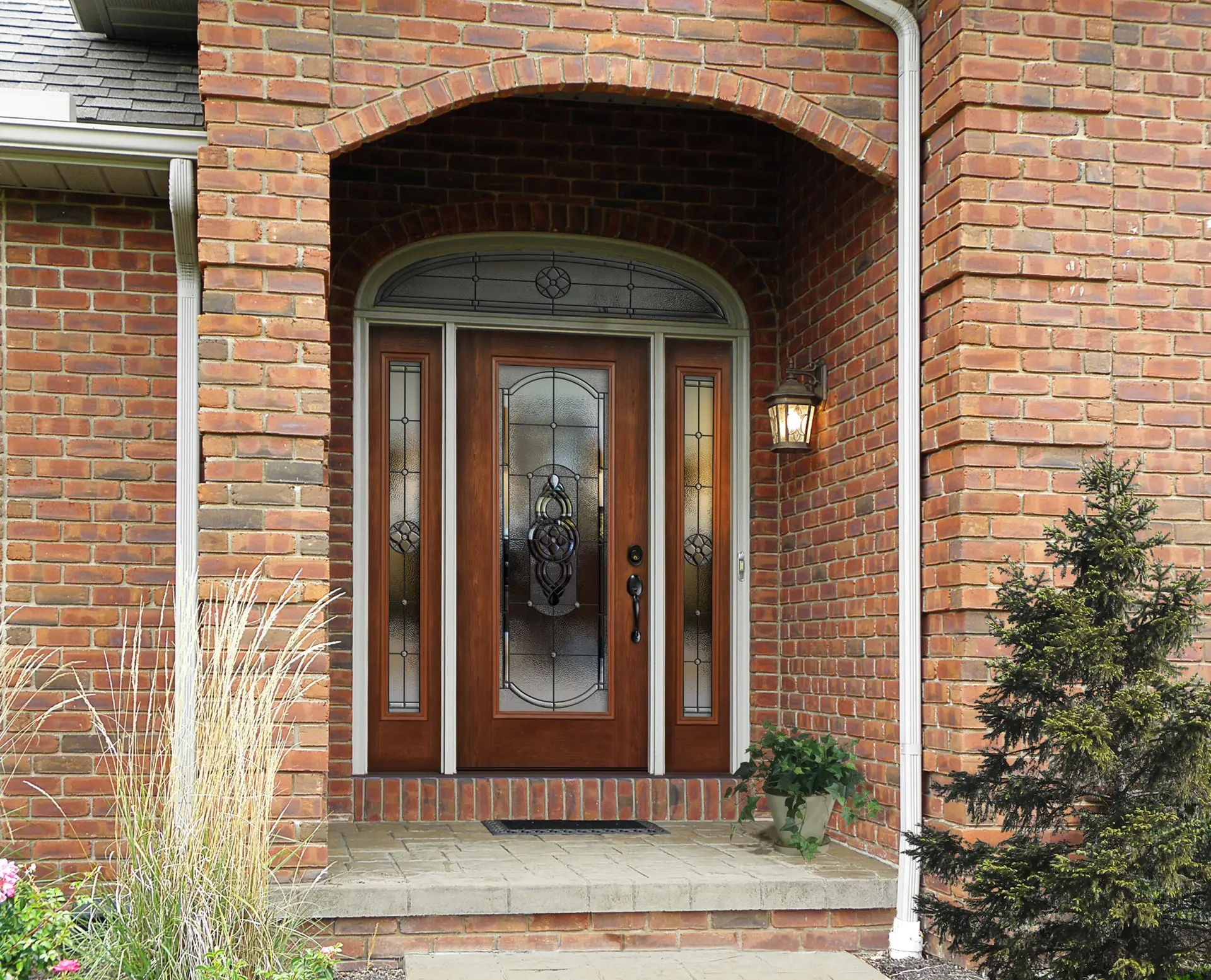
    Of all the doors in your home, the front door has the biggest effect on your curb appeal. After all, it’s the only one visible from the street. As such, its color plays a big part in your home’s first impression.

    If you’re debating a color change, you have options to consider, of course. Here are seven of the most popular ones, along with their benefits.

    Front Door Color #1: Red

    If there’s a color that’s classic and comforting, it’s red. This positive color symbolizes luck and invites visitors with a hue that lends itself well to a variety of decor styles, from traditional to modern.

    Front Door Color #2: Black

    Another versatile color is black. An elegant statement maker, black adds a touch of drama to your curb appeal and especially sands out against light exteriors. Black doors stand out well against any decor style and are a popular choice for a variety of architectural styles.

    Front Door Color #3: Blue

    Evoking a sense of tranquility and peace, blue is a popular choice for the beachy vibes it adds in any space. If you’re looking to make a soothing first impression—no matter whether the room has coastal or tranquil themes—blue could be the ideal color for you.

    Front Door Color #4: Green

    For those who can’t get enough of nature, green keeps those lively feelings of the outdoors inside, signifying the growth and harmony you love so much. Green is an inviting hue that immediately tells someone that you connect with the outdoors.

    Front Door Color #5: Yellow

    Radiating cheerfulness and positivity, yellow adds a burst of energy to your entryway or another area typically known for dark spaces. It adds feelings of happiness and warmth and immediately makes it a little more inviting.

    Front Door Color #6: Brown

    The earthy tones of brown are popular these days due to their warm tones and ideal fit with rustic environments. Coordinating well with exterior colors, brown is comforting and secure, adding a feeling of strength and stability to a space.

    Front Door Color #7: Teal

    Finally, teal adds the benefits of both green and blue while retaining a modern, inviting feel of calmness. It shows others that you value both creativity and balance.

    These are just a few front door colors to consider. Whether you’re replacing the entire front door or simply its color, call for a consultation today.

  • 7 Questions to Ask Before Your Next Home Improvement Project

    7 Questions to Ask Before Your Next Home Improvement Project

    The valley between good and bad can be bigger than you think. This applies to everyone from restaurant servers and civil engineers to facility managers and office workers. When someone does their job properly, you can tell. (The reverse is also true!)

    When it comes to home improvement, this “”valley”” is littered with costly failures by well-intentioned homeowners. If you’re looking to avoid mistakes before your next home improvement project—whether you’re replacing a door or replacing a window—here are a few questions to consider.

    1. Why Do You Want an Improvement?

    For starters, why are you wanting to remodel or redesign a feature or room in your home? Is it for functional reasons (e.g. replacing a leaking shower) or do you simply want to change things up? Other people are more concerned with increasing resale value, while some want to give their home a more modern look. Whatever your reason, it will dictate many of the other items on this list.

    2. What Is Your Budget?

    The scope of your home improvement project depends on how much you want to spend. Your budget may be higher if you’re increasing the value of your home, as it will pay off down the road. But if your budget is limited and resale isn’t a priority, you may want to consider replacing a window, door or making another small improvement instead of gutting a whole room or house.

    3. What Do You Want to Improve?

    Once your budget and reasoning are solidified, you can move on to specifics. Which room or area do you want to prioritize the most? Create a list of priorities, then cut off that list when you’re approaching your budget. Also, the more specific you get with the improvements you want to make, the easier it is to envision and plan.

    4. Will You Do It Yourself or Hire Someone?

    This is another big question before you get started on that next home improvement project and it’s one where you have to weigh short-term vs. long-term costs. If you go the DIY route, plan for mishaps, delays and potential extra expenses. If you hire an experienced, professional home improvement company, on the other hand, you can usually have a set cost or estimate that won’t change much unless you approve it. DIY can be more affordable in the short term, but hiring someone can be a better long-term option with professional results.

    5. What Is Your Style?

    Having your desired colors, finishes and materials picked out ahead of time helps make the home improvement process more efficient. While a consultation beforehand always helps, having a defined style will make the decor and improvements more consistent in your home, aesthetically and otherwise.

    6. How Will Your Lifestyle Change?

    Some home improvements can help your quality of life, while others make it more difficult. Some improvements, like converting your bathtub to a walk-in tub or your shower into a shower-bath combo, can make your life safer and more convenient.

    7. Is There Anything Else You Want to Improve?

    Don’t forget about the areas of your home that aren’t visible to visitors, like insulation in the attic. From windows and doors to bathrooms, you can make improvements to entire areas, sections or individual features. It’s also a good idea to combine home improvements in the same project to save time (and potentially costs as well).

    If you’d like more advice about your next home improvement project, contact Expo Home Improvement at (469) 727-0302 or check out our blog.

  • 5 Ways to Change the Look of Your Living Room

    5 Ways to Change the Look of Your Living Room

    When you are thinking about the design of your house, it’s easy to get caught up thinking about everything you should do with every room. Whatever you do, though, the living room should be your centerpiece. It’s the room that guests will see first and the room where you’ll host, gather, and entertain. Essentially, it’s the heart of your home. 

    Let’s go over some living room decor ideas to make this all-important room exactly what you want it to be.

    How to Decorate a Living Room

    1. Declutter

    If you really want your living room to shine, it might be a time to look at all of the things you’ve accumulated over the years. Having a lived-in home feels great, but oftentimes when we are so used to something we have a hard time realizing what we really need — and what we don’t. Sometimes the best living room decor ideas are those that involve minimizing, as opposed to adding. What do you really need? What do you want your living room to look like? Find the things that you love and stick to those. Then you can start thinking about living room decor.

    2. Lighting

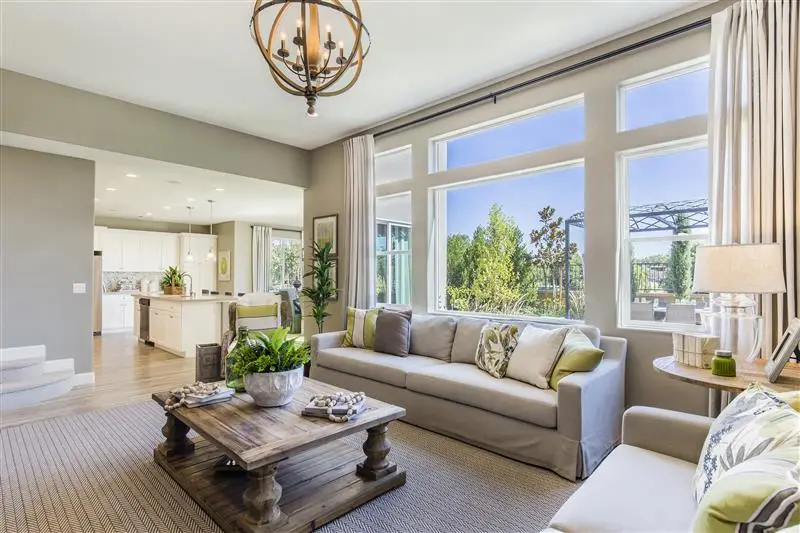
    Does your living room feel dark or claustrophobic? Lighting plays a huge role in the overall look and feel of not just your living room, but every room. Consider swapping out those old curtains for a new set of blinds, or something else that allows the light to filter in more than it currently does. Expo Home Improvement offers screenless windows designed specifically for Texas homes that allow more natural light to come in while simultaneously blocking hot, harmful UV rays from entering your home. Further, if you also focus on decluttering, a clean, open space looks even better in the light. By having more room and more light, your guests will feel welcome and free to move around. Light also brings out any accent pieces you have and allows your living room wall decor to pop. 

    3. Color

    Even if you like the color scheme in your home, it might be time for an upgrade. Changing the color of your living room will quite literally change the mood of the space. It’s up to you to decide what mood you want that to be, but there are a few things to consider. If you want it to be a more introspective space, maybe consider light greys or something that dampens the light a bit. If you want the room to feel free and full of energy, go with bright colors, like light blue or white. You can even go for deep colors, like navy or dark green.

    4. Focus

    You want your living room to be visually appealing. You want it to be a room that your guests will be impressed with. To ensure that it is, you will want to define an area of focus in the space. This could be art or a piece of furniture. Whatever it is, you want one thing to really stick out and have the rest of the room complement it. Maybe instead of having the couch in the corner, it should be front and center. Even practical things that have always served a practical purpose can become an eye-catching, compelling focal point.

    5. Flooring

    Maybe it is time to pull up that old carpet. Or, maybe it’s time to add carpeting. If you already have wood flooring, perhaps a new theme-consistent rug is called for. Or, maybe your wood flooring needs to be re-done. Whatever it is, changing the ground that you walk on can have a huge impact on the way that your living room looks and feels. If you are wondering how to decorate a living room, starting from the ground up — literally — is a great idea.

    How you decide to redecorate your living room is completely up to you. Whatever you do, though, enjoy the process of being creative in your home. And to get some expert help in bringing your visions to life, get in touch with Expo Home Improvement today!

  • At-Home Relaxation: Your Ultimate Guide to the Walk-In Tub

    At-Home Relaxation: Your Ultimate Guide to the Walk-In Tub

    In our fast-paced world, finding time to unwind and truly relax is important. Imagine stepping into your own private oasis — a place where warm water, soothing jets, and ergonomic design melt away stress and tension. That’s the experience a walk-in tub offers.

    It’s more than just a bathroom fixture. A walk-in tub brings the calming atmosphere of a luxury spa into the comfort of your own home. Whether you’re looking to ease aching joints, improve circulation, or enjoy a peaceful soak, this modern solution blends safety, comfort, and tranquility in one elegant package. Let’s explore how your daily routine can turn into a moment of self-care and serenity.

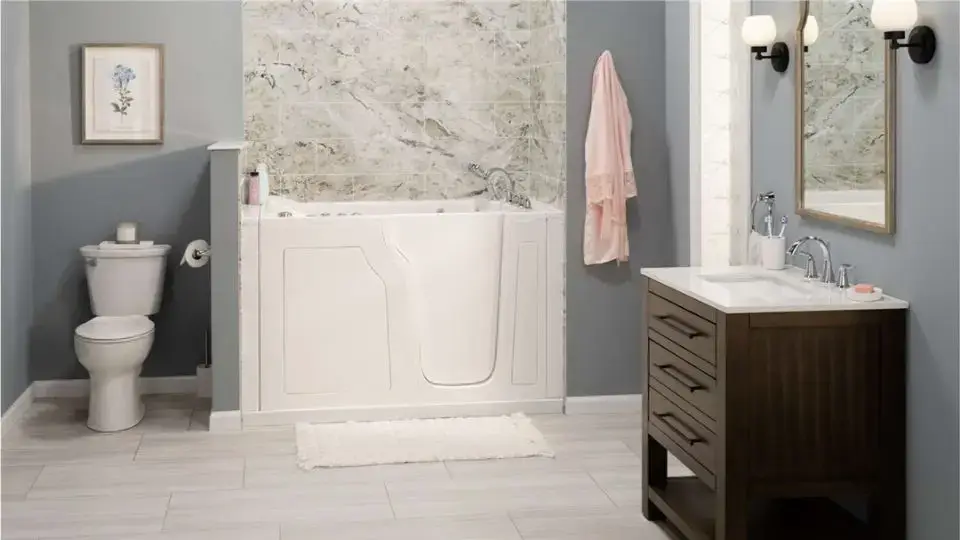
    White walk-in tub

    1. Hydrotherapy Jets

    Hydrotherapy jets offer a powerful combination of comfort, therapeutic relief, and enhanced wellness. This is an ideal solution for seniors, individuals with limited mobility, or anyone seeking a spa-like bathing experience at home. These strategically placed jets target sore muscles and joints which reduces pain, improves circulation, and alleviates symptoms of arthritis, fibromyalgia, and other chronic conditions.

    2. Aromatherapy Dispensers in Tub

    Add essential oils and other dispensed products straight from the tub with this stress-relieving feature. Aromatherapy is known to reduce stress and promote relaxation, so a walk-in tub with an aromatherapy dispenser is the next step in creating a spa-like environment at home.

    3. Heated Seats

    You probably know about one benefit of walk-in tubs; the seat. The seats are contoured for comfort which is important for longer bathing sessions. Did you know that there are even features that heat the seat, backrest and other elements of the walk-in tub? The possibilities are nearly endless. If there’s a feature you’re thinking about, ask your walk-in tub expert if it’s a possibility.

    4. Quick-Fill and -Drain Technology

    It’s not very luxurious if it takes half the day to do it. Many bathtub owners find this out the hard way with traditional, large- capacity tubs that must not only be monitored and filled by hand, but drained and monitored by hand as well.

    5. Tub Safety Grips and Grab Bars

    Grips are another common feature many know about. However, not everyone knows that you can customize the placement of these bars, both on where you grip the bars and where the bars themselves attach to your tub. Furthermore, there are a wide number of other safety features to give you peace of mind, such as slip-resistant flooring and smart lighting.

    These are just a few walk-in tub features you might not know about. To learn more about walk-in tubs, walk-in tub installs and anything else walk-in tub-related, contact Expo Home Improvement today!

  • 4 Benefits of Metal Doors

    4 Benefits of Metal Doors

    Front doors are traditionally made of wood, but there are other material options to consider, from fiberglass to metal. What are the real differences between materials when it comes to doors? Do they even matter? As we’ll cover, they each have different advantages.

    Let’s go over four benefits of metal doors to help you understand why they’re one of the most popular options for Texas homeowners these days.

    1. Durability

    Metal doors are unmatched by other materials when it comes to durability. They can withstand everything from extreme weather conditions to daily use. Texas is known for its heavy rains, intense heat and strong winds, so a metal door will be able to stand up against these external factors and maintain its integrity for many years (unlike traditional wood doors that are more prone to warp, crack and rot over time).

    2. Security

    Peace of mind is another advantage of metal doors. Metal doors are much more difficult to break and force open than other materials. Plus, they can be reinforced with more robust locking mechanisms that further resist forced entry. Whether you’re considering a steel door, aluminum door or iron door, they will help you feel safer in your home.

    3. Maintenance

    Compared to doors made from other materials, metal doors are low maintenance and have better longevity. They don’t need regular painting, staining or sealing to maintain a sleek appearance and useful functionality. Additionally, you can save money on replacements and repairs in the long run, since metal doors have a high lifespan. Of course, you’ll want to inspect and clean elements of your metal door on occasion (like the locks and hinges), but it’s fairly easy to keep your metal door in top-notch condition.

    4. Versatility

    Metal doors are also versatile when it comes to design. There are a variety of styles, finishes and sizes to match your home’s architectural styles (and your personal preferences). Today’s modern manufacturing techniques even allow for custom metal doors to find the design or pattern you want. Whether you’re going for sleek and modern or traditional, metal doors are versatile enough to meet your needs.

    These are just a few benefits of metal doors. To learn more about the advantages they can provide for your Texas home, contact Expo Home Improvement today.

  • 5 Ways to Budget for a Home Upgrade

    5 Ways to Budget for a Home Upgrade

    Many homeowners avoid or delay home upgrades because they think they can’t afford it. But a little budgeting and planning can go a long way. Before you know it, you’ll have a nice fund set aside for the home upgrade of your dreams.

    It doesn’t just happen, though. You have to be proactive about budgeting for a home upgrade. Here are five ways to do just that.

    1. Assess Your Finances

    Setting any budget starts with taking a look at your current financial situation. But many homeowners (especially if it’s their first home) don’t have a lot of experience with creating one. First, evaluate your income, savings and existing expenses, then determine how much you can comfortably allocate to your upgrade project(s). Be realistic and safe, however—you don’t want to risk overextending yourself financially and there are always miscellaneous expenses we can’t plan for that need to be taken into account.

    2. Research Costs

    With price fluctuations, it’s imperative to do your research and find out how much materials, contractors and other elements like permits really cost. You can’t assume anything. This will help you prioritize your projects and see what is feasible (and what isn’t). Whether it’s a new front door or a window replacement, having a clear understanding of the costs involved will help you budget more accurately. If it’s been some time since you checked prices, you may want to update your budget since raw materials can vary in cost over time.

    3. Prioritize Projects

    Next, determine which home improvements you want to do first and how many you can afford in your time frame. Consider projects that provide the most value and satisfaction and set your priorities accordingly. The more effectively you can budget now, the better your position will be for tackling future projects down the road.

    4. Consider Financing

    Sometimes, you need a home upgrade that can’t be covered by your existing assets. Financing can help bridge the gap, so consider your options. These include home equity loans, personal loans or lines of credit. Of course, no one wants to add additional financing to their plates, but these funds can help you complete your project while spreading payments out over time. Weigh the pros and cons of financing, look at your options carefully and make a decision that aligns with your financial circumstances.

    5. Plan for Contingencies

    Even the best home upgrade plans must be adjusted if unexpected expenses or issues arise during the course of your home upgrade project. You can avoid being caught off guard, however, if you set aside a contingency fund that covers unforeseen costs or changes to the project scope. Most experts recommend that you allocate 10-20 percent of the total project budget for contingencies, giving you peace of mind and a better ability to handle challenges that pop up.

    If you’d like more tips for home upgrade budgeting—or would like to request a no-obligation quote—contact Expo Home Improvement today.